
Culture
Shkodra and Its Lake: What to Visit in Northern Albania
Emma ThompsonAug 23, 20268 min read
Most visitors pass through Shkodra on their way to somewhere else — Theth, the Komani Lake ferry, the Montenegrin border — and I understand the instinct, because it's genuinely a convenient gateway city. But I've come to think that treating it purely as a stopover is a mistake, because Shkodra has its own particular character that's worth at least a full day on its own, unhurried, ideally on two wheels rather than four.
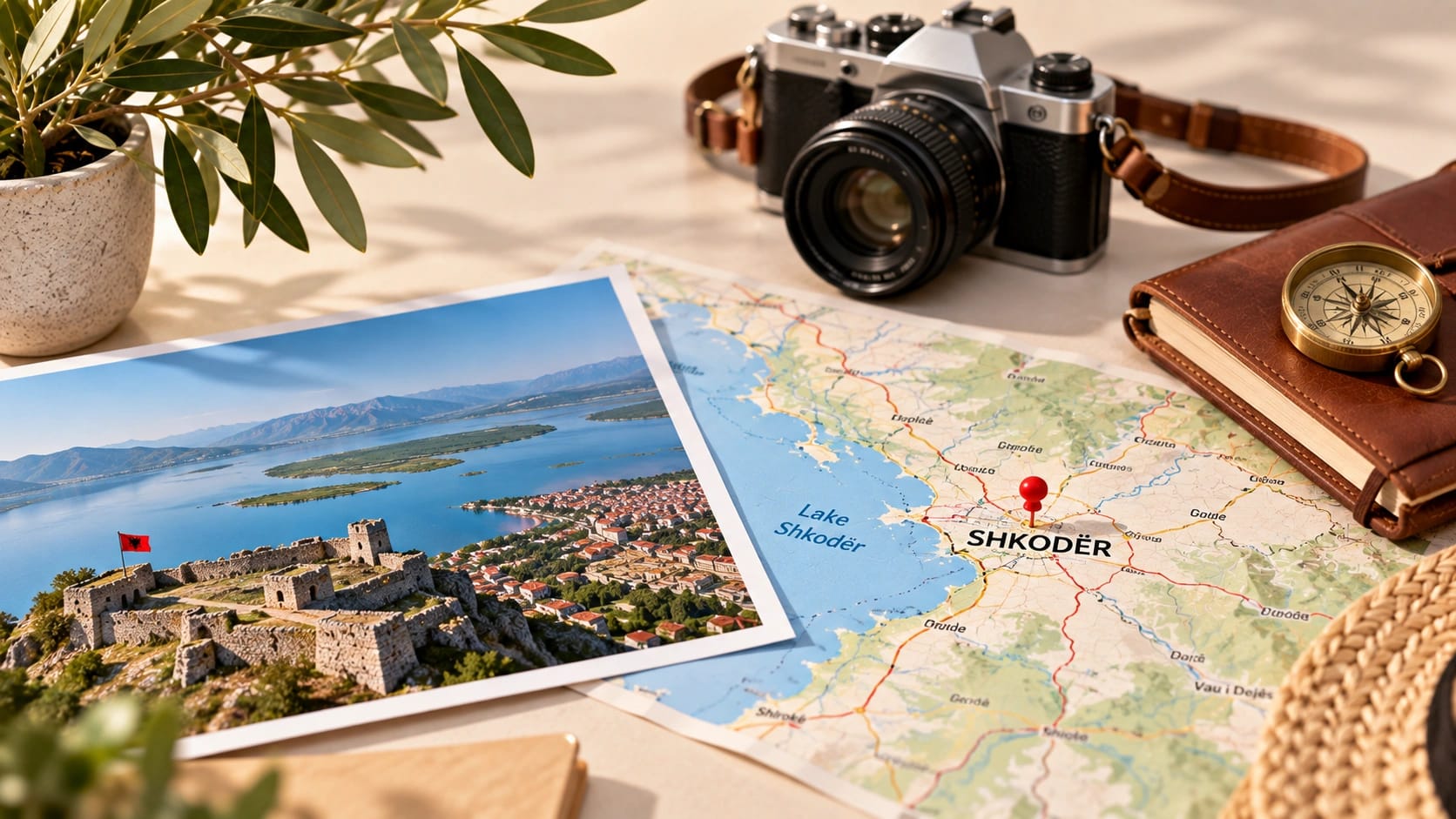
Rozafa Castle sits on a rocky hill above the city, at the point where the Buna and Drin rivers meet, and it's the first stop I send almost everyone to. The site itself has been fortified since Illyrian times, later rebuilt under Venetian and then Ottoman control, and the walk up through its cobbled pathways takes about 30 to 45 minutes round trip for a modest entrance fee, somewhere around €4. What people actually remember afterward, though, isn't the stonework, it's the legend: the story goes that three brothers building the castle kept finding their work collapsed each morning, until they were told the walls would only hold if one of their wives agreed to be walled into the structure as a sacrifice. The youngest brother's wife, Rozafa, accepted on the condition that one breast, one eye, one hand, and one foot be left free so she could keep nursing her infant son, seeing him, holding him, and rocking his cradle after she was sealed in. It's a genuinely dark story to hear standing at the exact spot it supposedly happened, and I still find myself telling it to almost every visitor I bring up there, mostly because the view over the rivers and the lake beyond makes for a strange, beautiful backdrop to something so grim. Go in the evening if you can, both for the light and to avoid climbing in the height of the afternoon heat.
The lake that gives the city part of its identity is one of the largest in the Balkans, though only roughly a third of it actually sits within Albania — the rest belongs to Montenegro, which shares the water and the fishing rights across an international boundary that, from the shore, is entirely invisible. It's a genuinely important wetland for birdlife, with designated viewing points along the shore for anyone interested in spotting herons, pelicans, and the wide range of species that pass through depending on the season, and even without binoculars, the sheer scale of open water framed by mountains on the Montenegrin side is worth the trip out to the shoreline on its own.
Shkodra is, without much competition, the most bicycle-oriented city in Albania, and it's one of my favorite small details about the place — locals of every age use bikes as genuine daily transport rather than recreation, and the flat terrain and dedicated paths make it an easy habit for visitors to pick up for a day or two. Rentals run cheap, around €5 a day, and two rides in particular are worth building an afternoon around: a roughly 8-kilometer pedal out to the Ottoman-era Mesi Bridge, a striking multi-arched stone bridge across the Kir River that's held up since the nineteenth century, and a similar 8-kilometer ride out to Shiroka village on the lakeshore, passing through a mix of quiet backstreets and open countryside that still occasionally features a horse-drawn cart rather than a car. Shiroka itself is worth the ride for the destination as much as the journey — a small lakeside village lined with fish restaurants doing simple, well-prepared meals sourced straight from the water in front of you, carp and other freshwater fish being the local specialty rather than the sea fish you'd get on the coast. I've had some unhurried, genuinely excellent lunches out there, the kind where you end up staying two hours longer than planned simply because the view and the pace of the place don't give you much reason to leave.
“Shkodra is the only Albanian city I've visited where the bicycle, not the car, feels like the main character. It changes the whole pace of the place.”
The stop I most wish more visitors knew to make time for is the Marubi National Museum of Photography. It holds the archive started by Pietro Marubi, an Italian who settled in Shkodra in the mid-nineteenth century and opened what became the first photography studio in Albania, a business later carried on for generations by the Kel Marubi family. The collection now runs to several hundred thousand glass-plate negatives, documenting well over a century of Albanian life, from Ottoman-era portraits to twentieth-century street scenes, and walking through it is one of the more effective crash courses in Albanian social history you'll find anywhere in the country, delivered entirely through faces and streets rather than text panels.
For an easier, slower kind of sightseeing, Kolë Idromeno, Shkodra's main pedestrian street, is where the city's cafe culture concentrates — a walkable corridor lined with shops and outdoor tables that somehow still carries a village atmosphere despite being right in the center of Albania's fifth-largest city. It's an easy, pleasant place to end an afternoon of castle climbing and cycling, with no particular agenda beyond a coffee and watching the city go by.
Because it sits so close to the Montenegrin border and serves as the natural jumping-off point for both the direct road to Theth and the bus connection to the Komani Lake ferry toward Valbona, Shkodra makes a genuinely practical base for a night or two before heading into the Albanian Alps. My honest advice, though, is to arrive a day earlier than strictly necessary for your onward connection, specifically so the castle, the lake, and at least one of those bike rides don't get rushed into a single frantic afternoon before an early departure. Shkodra doesn't shout for attention the way the Riviera or Tirana do, and that's exactly why I think it rewards slowing down for. Climb the castle for the view and the story, rent a bike and let the flat roads out to the lake set the pace, and give the Marubi Museum the hour it deserves before you move on toward the mountains. It's a city built for a day spent, not a city built for driving through.
Travel it with a local team
Tours that cover this
Spring in Albania
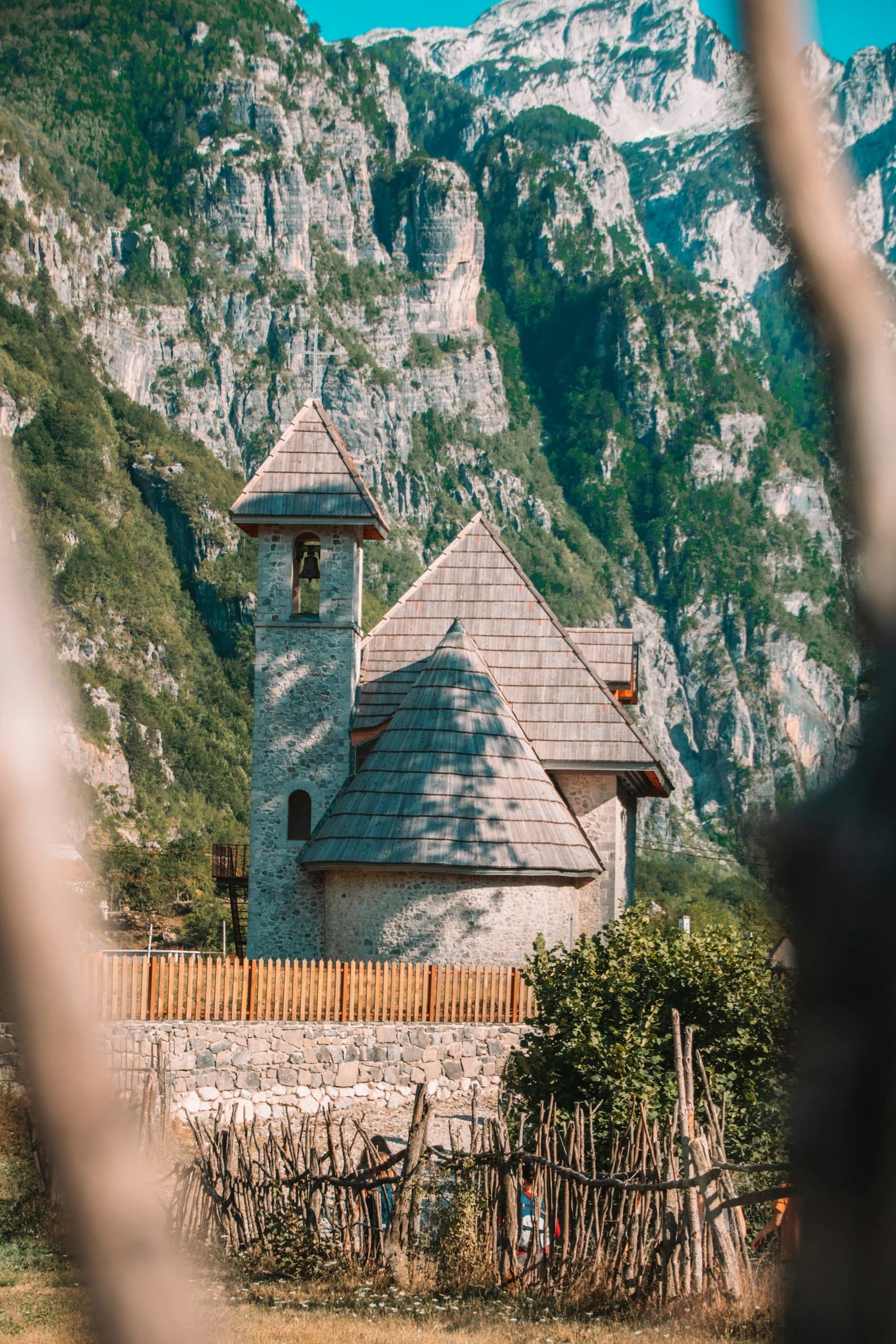
Nine days from the Albanian Alps to the Ionian coast: Lake Shkodra, Theth, rafting in the Osumi Canyons, the UNESCO towns of Berat and Gjirokastër, and the Blue Eye, at a relaxed spring pace.
Albanian Adventure
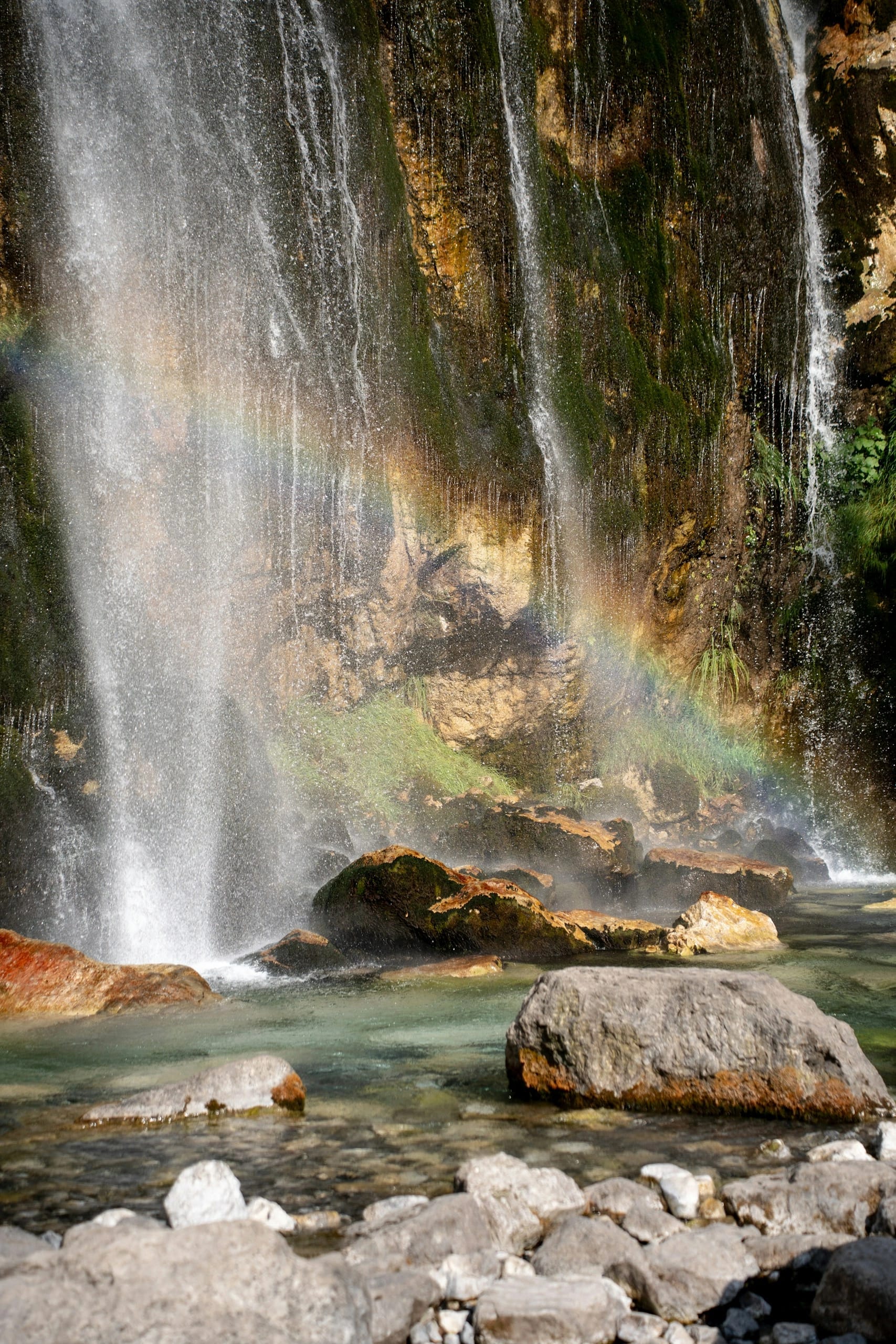
Nine active days through Albania: Krujë and Lake Shkodra, the Blue Eye of Theth, Komani Lake and the Shala River, a jeep safari to the Cape of Rodon, the Osumi Canyons, Vjosa rafting and the Narta Lagoon.
See all upcoming Albania tours or the tours we run on request.
Written by
Emma Thompson
Travel Writer, Co-Travel
Emma has spent years crisscrossing Albania — from Tirana's cafés to the trails of Theth and the coves of the Albanian Riviera — to help travelers see the country the way locals do. She writes first-hand, practical guides for anyone planning their first (or fifth) trip to Albania.
Keep reading
You might also like
 Travel Safety
Is Albania Safe for Tourists? Everything You Need to Know
A first-hand guide to Albania travel safety — real crime data, common scams, driving risks, solo female travel, and the blood-feud myth, from someone who's covered the country corner to corner.
 Trip Planning
Best Time to Visit Albania: A Month-by-Month Guide
Warm sea, open trails, or the cheapest flights — Albania looks different every month. A season-by-season, month-by-month breakdown from someone who's visited in every one of them.
 Visas & Entry Requirements
Do You Need a Visa for Albania? Full Guide by Nationality
A nationality-by-nationality breakdown of who enters visa-free, who needs to apply in advance, and the one rule almost nobody knows about — from a travel writer who's crossed Albania's borders more times than she can count.
 Culture
Albanian Customs and Culture: What to Know Before You Visit
Besa, bottomless coffee, a raki you probably shouldn't refuse, and why nobody here is actually confused about religion — a first-hand guide to the customs that shape daily life in Albania.