
Culture
Gjirokastra: A Guide to the "Stone City"
Emma ThompsonAug 2, 20269 min read
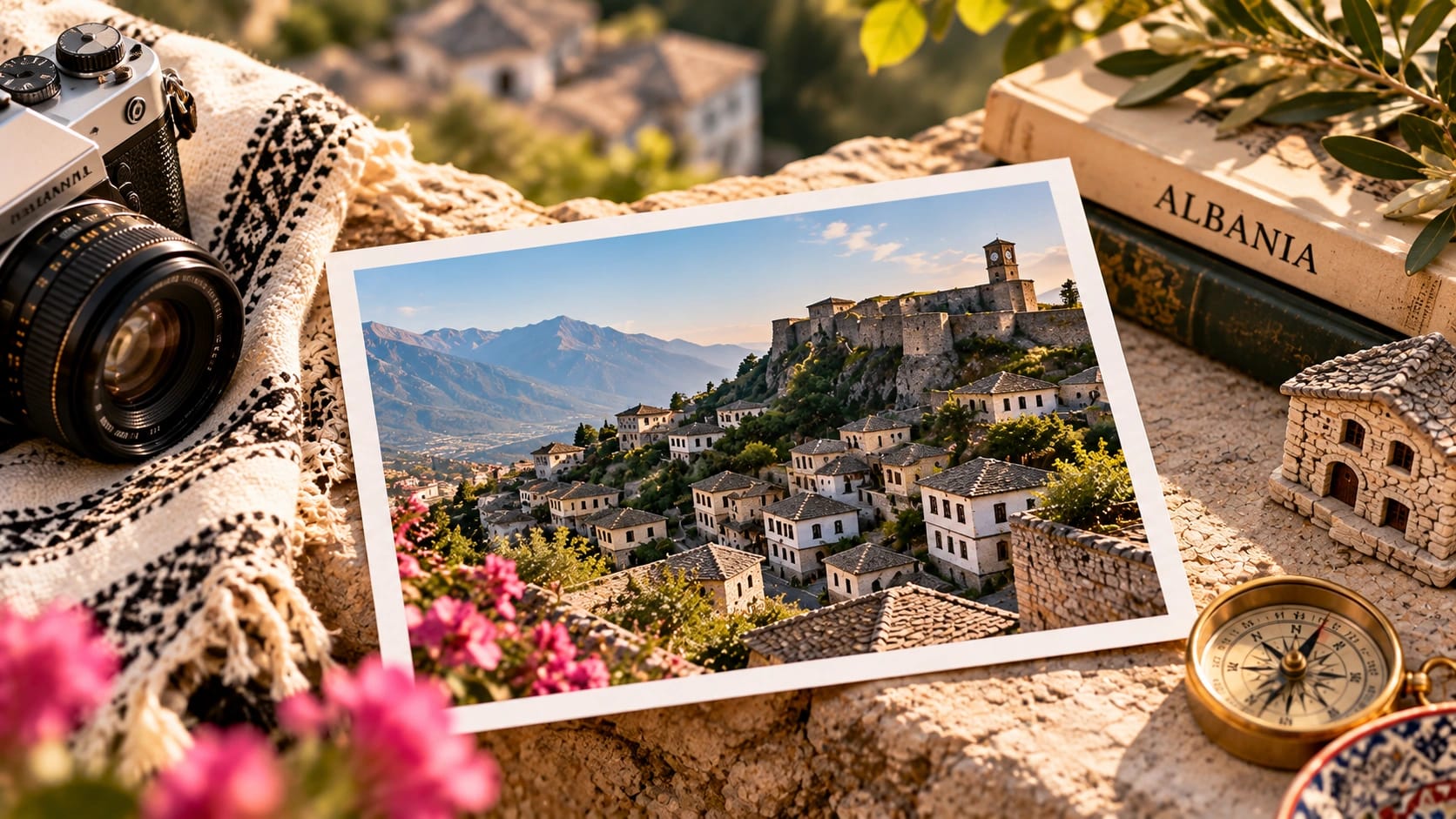
Berat gets called Gjirokastra's sister city so often that people arrive expecting a variation on the same theme, and then the first steep street knocks that idea out of them within about five minutes. Where Berat is pale plaster and stacked windows catching the light, Gjirokastra is grey stone, heavy and severe, roofed almost entirely in slate tiles that give the whole hillside a slightly armored look even before you learn that most of these houses were, quite literally, built as small fortresses. I've told people before that Berat is the town you fall for immediately and Gjirokastra is the one that makes you earn it, street by punishing cobblestone street, and by the time you're standing at the top with your calves complaining, I've never once heard anyone say it wasn't worth the climb.
That climb ends at the castle, which sits on the highest point in town and has been added to, fought over, and repurposed for something like fourteen centuries, with construction reaching back as far as the sixth. What actually stops most visitors in their tracks once they're inside isn't the medieval stonework, though — it's the hardware. Sitting in the castle grounds, slightly incongruous against all that Byzantine and Ottoman masonry, are a Second World War-era Italian tank and, more startling still, an American Air Force jet, seized here in a Cold War-era incident back in 1957 and kept ever since as something between a trophy and a museum piece. It's a strange, almost funny juxtaposition until you remember what this same castle was actually used for through most of the twentieth century — a prison, first under King Zog and then, for decades, under the communist regime, holding political detainees in conditions the exhibits inside don't shy away from describing. The clock tower, the old cistern, the little garrison church up there all sit within a short walk of that same weight, which is very much the pattern of this town: something beautiful, immediately next to something that asks you to sit with a harder history.
Every five years, in May, that same castle turns into the site of Albania's National Folklore Festival, drawing performers from every corner of the country and the diaspora into the same stone courtyard that spent so much of its history as a place of confinement — and if your visit happens to land on one of those years, I'd genuinely rearrange a trip to catch it, because I've heard from friends who've been that it's one of the more moving things you can witness in this country.
Down from the castle, back into the tangle of the old town, the house I send almost everyone to first is the Zekate House, a fortified eighteenth-century mansion with twin stone towers and a set of double-story stone arches that seem to defy the basic logic of how much weight stone should be able to hold up on its own. The upper rooms have hand-painted walls that have survived remarkably well, and standing in the main reception room, imagining an Ottoman-era merchant family entertaining guests there, is one of those rare moments where a historic house museum actually manages to make the past feel inhabited rather than roped off. It's a small entrance fee, and one of the better few dollars you'll spend in this town.
“Berat charms you. Gjirokastra makes you work for it, up streets steep enough to punish bad shoes, and then hands you a view and a piece of history heavy enough that you stop minding the climb.”
The Old Bazaar sits lower down, rebuilt after a fire generations ago into the interlacing pattern of white and black stone that still paves it today, ringed by small shops and workshops and the eighteenth-century Bazaar Mosque, one of the few religious buildings here that made it through the communist period's campaign against religion still standing. It's a smaller, quieter bazaar than Tirana's, more workaday than performative, and I usually end up there in the late afternoon buying more dried herbs and local raki than I actually need, mostly as an excuse to keep talking to whichever shopkeeper has decided to tell me the history of the building we're standing in.
And then there's the detail about this town that I find myself bringing up more than almost anything else: Gjirokastra produced both Enver Hoxha, the dictator whose decades-long rule shaped, and in many ways damaged, this entire country, and Ismail Kadare, its most celebrated novelist, a man repeatedly mentioned for the Nobel Prize and whose books, many of them set in this exact stone city, are as good an introduction to Albania's twentieth century as anything I could recommend. The Ethnographic Museum stands on the site of Hoxha's birthplace, and it's a genuinely strange thing to walk through a house dedicated mostly to traditional costumes and textiles while also absorbing the exhibits on the terror of the era he presided over — the same town, the same stone streets, producing both the man who controlled the national story for decades and the writer who arguably told the truer version of it.
Practically speaking, Gjirokastra makes an easy, natural stop between the Riviera and the rest of the south, close enough to the Blue Eye and to Përmet's hot springs to build a longer loop around it if you have the days to spare, and I'd budget a full day here at minimum, two if you want the castle, the Zekate House, the bazaar, and a slow dinner without rushing any of it. Wear shoes with actual grip, because these stones get polished smooth by centuries of feet and rain, and go in the late afternoon light if you can manage it, when the grey slate roofs stop looking severe and start looking, briefly, almost silver.
Travel it with a local team
Tours that cover this
Albania’s Historic Gems
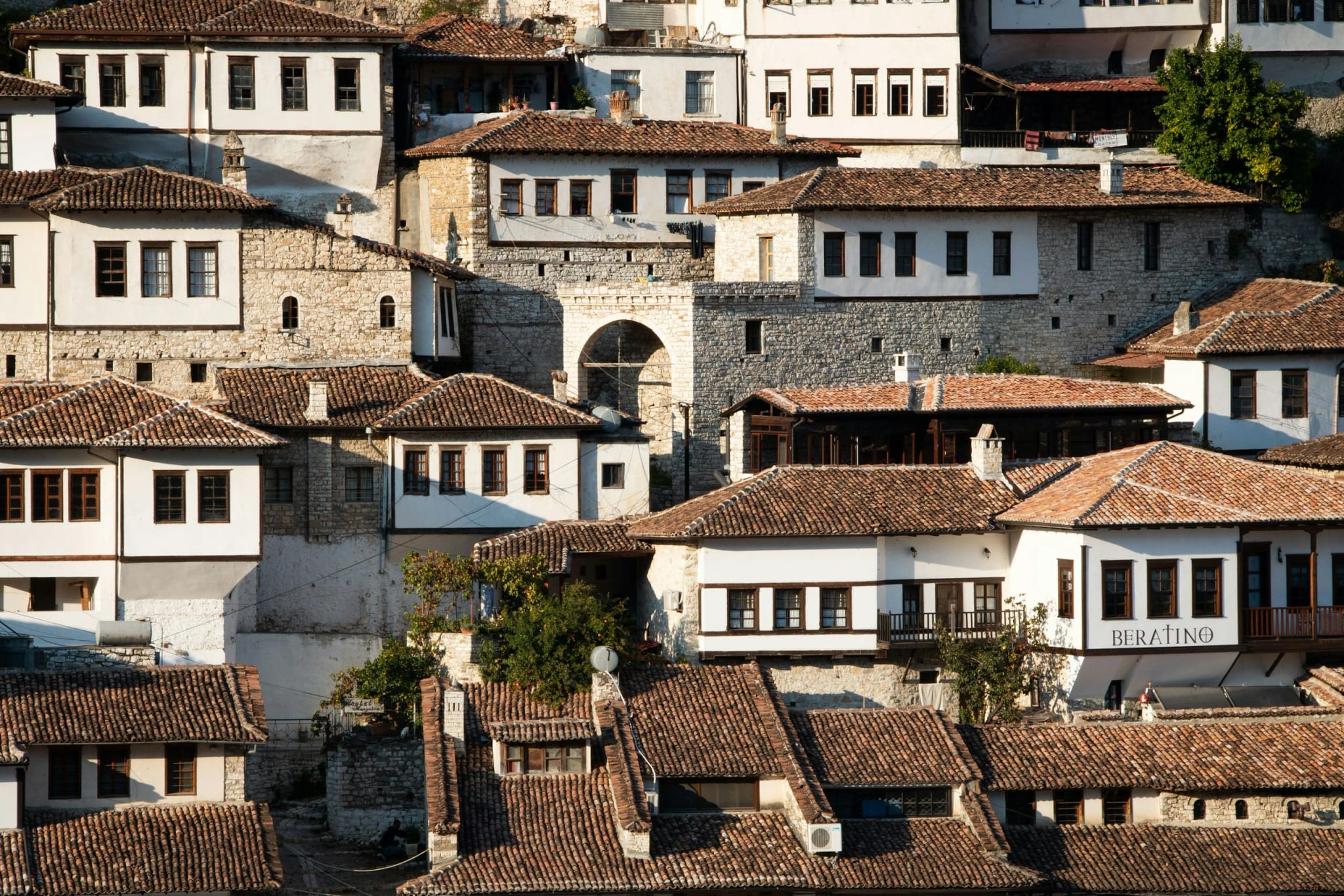
Eight days through 2,500 years of Albanian history: Skanderbeg's Krujë, Roman Durrës, the UNESCO towns of Berat and Gjirokastër, the ancient cities of Butrint and Apollonia, and the Blue Eye spring, at a comfortable pace in any season.
Slow Albania
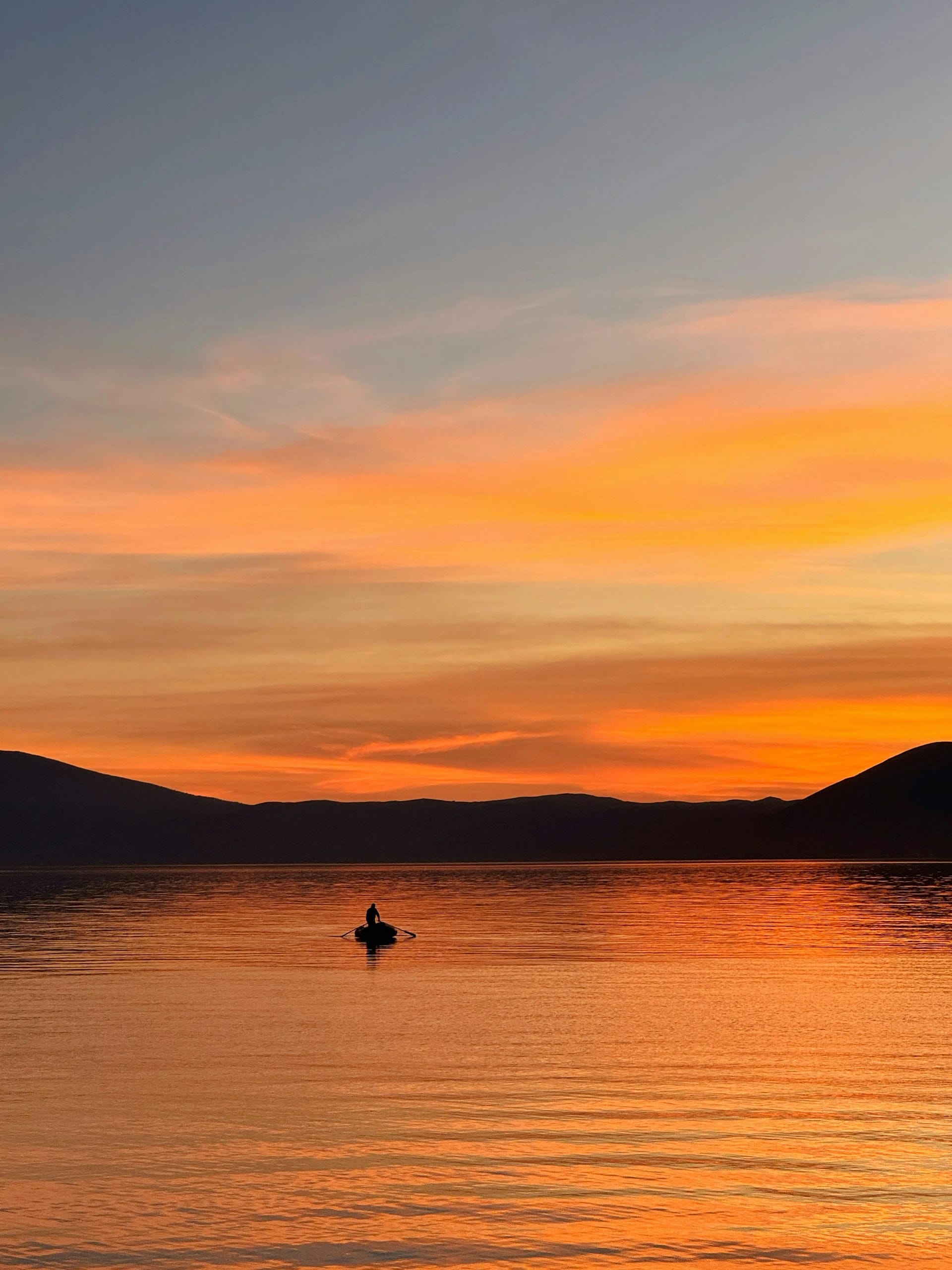
A relaxed nine-day journey from Lake Ohrid and Prespa to the Ionian Riviera, with two nights in Korçë and Qeparo, the UNESCO towns of Gjirokastër, Butrint and Berat, and time each day to slow down.
See all upcoming Albania tours or the tours we run on request.
Written by
Emma Thompson
Travel Writer, Co-Travel
Emma has spent years crisscrossing Albania — from Tirana's cafés to the trails of Theth and the coves of the Albanian Riviera — to help travelers see the country the way locals do. She writes first-hand, practical guides for anyone planning their first (or fifth) trip to Albania.
Keep reading
You might also like
 Travel Safety
Is Albania Safe for Tourists? Everything You Need to Know
A first-hand guide to Albania travel safety — real crime data, common scams, driving risks, solo female travel, and the blood-feud myth, from someone who's covered the country corner to corner.
 Trip Planning
Best Time to Visit Albania: A Month-by-Month Guide
Warm sea, open trails, or the cheapest flights — Albania looks different every month. A season-by-season, month-by-month breakdown from someone who's visited in every one of them.
 Visas & Entry Requirements
Do You Need a Visa for Albania? Full Guide by Nationality
A nationality-by-nationality breakdown of who enters visa-free, who needs to apply in advance, and the one rule almost nobody knows about — from a travel writer who's crossed Albania's borders more times than she can count.
 Culture
Albanian Customs and Culture: What to Know Before You Visit
Besa, bottomless coffee, a raki you probably shouldn't refuse, and why nobody here is actually confused about religion — a first-hand guide to the customs that shape daily life in Albania.