
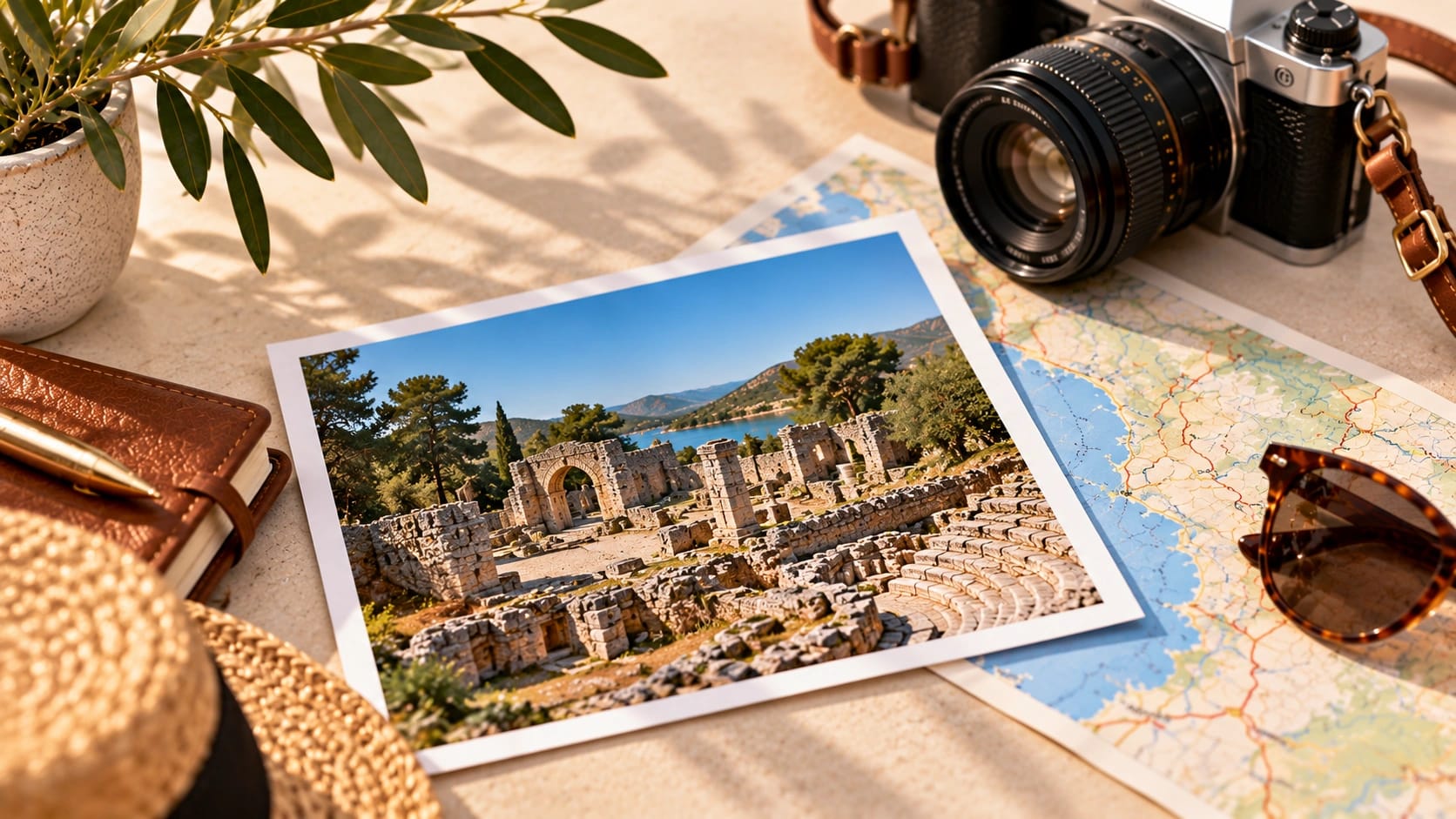
Nature & Day Trips
Butrint: The Ancient Ruins You Shouldn't Miss
Emma ThompsonJun 17, 20269 min read
I used to tell people Butrint was Albania's answer to Pompeii or Ephesus, and I've since decided that undersells it, because those sites are mostly about one civilization frozen at one moment. Butrint is closer to six civilizations, stacked directly on top of each other across more than two and a half thousand years, and somehow none of them got fully erased by the ones that came after. You can stand in one spot near the theatre and, without moving your feet, be looking at Greek, Roman, and Byzantine stonework at the same time, which is the kind of thing that sounds like a guidebook exaggeration until you're actually there doing it.
01A Very Short History of a Very Long Story
Butrint started as a Greek colony, grew into a significant Roman city, became an important Byzantine center with one of the more remarkable early Christian baptisteries anywhere in the region, was fortified again under Venetian control centuries later, and eventually slid into the marshy obscurity that, ironically, is exactly what preserved so much of it. It sat mostly forgotten, swallowed by the surrounding wetlands, until archaeological work in the twentieth century began uncovering just how much had survived underneath. It's now a UNESCO World Heritage Site and, without much competition, the best single archaeological visit in the country.
02What You'll Actually See
The Greek and Roman theatre is the centerpiece for most visitors, and rightly so — a genuinely well-preserved amphitheater cut into the hillside, with its original stone seating largely intact, sitting close enough to the site's other major structures that you can cover the highlights without a long walk between them. Near it, the Roman baths show off the hypocaust heating system, the underfloor channels that once carried hot air beneath the floors, in enough detail that the engineering is easy to picture even for visitors who don't usually find themselves fascinated by ancient plumbing.
The building I actually find myself thinking about the most afterward, though, is the Baptistery, a sixth-century circular structure with an elaborate mosaic floor depicting animals, birds, and geometric patterns in genuinely striking detail for something this old. Here's the detail worth knowing before you go: the mosaic is fragile enough that it's kept covered with a protective layer of sand or gravel for much of the year and only uncovered for viewing during a limited seasonal window, roughly through the summer months, before being covered again in autumn. If seeing that specific mosaic uncovered matters to you, it's worth checking current status before you plan your trip around it, since I've shown up in the off-season myself before and found it covered.
Beyond the baptistery, the ruins of a substantial Byzantine basilica sit nearby with columns and apse fragments still standing, and the Lion Gate, a Hellenistic-era fortification wall featuring a carved relief that's become one of the more photographed single details on the site, marks part of the old defensive perimeter. At the far edge of the park, a triangular Venetian castle looks out over the lagoon and the narrow channel toward Corfu, close enough on a clear day that you can see the outline of the Greek island from the ramparts — a genuinely good spot to end a visit, both for the view and for the small museum housed inside.
03Getting There, and the Boat Crossing
Butrint sits about 18 kilometers south of Sarandë, roughly a 25-minute drive, and is close enough to Ksamil, just a few kilometers away, that combining the two into a single day — ruins in the morning, beach in the afternoon, or the reverse — is genuinely one of the better day plans in the south of the country. A short boat crossing over the channel connects the parking and entrance area to the main archaeological site itself, a five-minute ride that's become such a normal part of the visit that most people don't think of it as a separate step, just the last small piece of arriving.
“Most ruins ask you to imagine one civilization. Butrint hands you about six of them, stacked on top of each other, and somehow doesn't feel crowded about it.”
04Tickets, Timing, and How Long to Stay
Entrance runs around 1,000 lek, roughly €10, for adults, with reduced rates typically available for students and children. Budget at least two to three hours to see the main sights properly without rushing, and closer to three or four if you want to slow down, read the information panels, and let the site's layered history actually sink in rather than ticking off landmarks. There's limited shade across much of the park, so early morning or late afternoon visits are noticeably more comfortable in summer, both for the heat and for beating the bulk of the day's tour groups; spring and autumn, roughly April-May and September-October, are the most pleasant months overall for a longer, unhurried visit.
05Beyond the Ruins: The Lagoon and Its Birds
Butrint isn't only an archaeological site — the surrounding national park includes a genuinely significant wetland and lagoon system that draws serious birdwatchers along with the history-focused crowd. Herons, cormorants, and a wide range of migratory species pass through or nest around the lagoon depending on the season, and even if birdwatching isn't usually your thing, the setting itself, ancient stonework framed against reed beds and open water, is part of what makes Butrint feel different from a typical fenced-off ruin.
06Frequently Asked Questions
How much does it cost to visit Butrint? Around 1,000 lek, about €10, for adults, with discounted rates generally available for students and children.
How far is Butrint from Saranda and Ksamil? About 25 minutes by car from Sarandë, and only around 5 minutes from Ksamil, making the two an easy combined day trip.
How long do you need to visit Butrint? Two to three hours covers the main sights comfortably; allow three to four if you want a slower, more thorough visit.
Is the Butrint mosaic always visible? No — the Baptistery's mosaic floor is protected under a covering of sand or gravel for much of the year and only uncovered during a limited seasonal window, generally through the summer, so check current status if seeing it uncovered is a priority.
Do I need a guide at Butrint? Not strictly — information panels are posted throughout the site — but a guide adds real depth given how many overlapping historical layers there are to explain, and many Sarandë-based tours combine Butrint with the Blue Eye or Ksamil.
What's the best time of year to visit Butrint? Spring and autumn offer the most comfortable temperatures and thinner crowds; if visiting in summer, go early morning or late afternoon to avoid both the heat and the busiest tour groups.
07Worth Building a Morning Around
Butrint doesn't get talked about with quite the same excitement as the Riviera beaches or the Blue Eye, and I've never really understood why, because for anyone even mildly interested in history, it's one of the most rewarding few hours you can spend in the south of the country. Go in the cooler part of the day, take the little boat across without rushing it, and give the baptistery mosaic a chance if the season lines up — it's the kind of detail that makes the rest of the site click into place.
Travel it with a local team
Tours that cover this
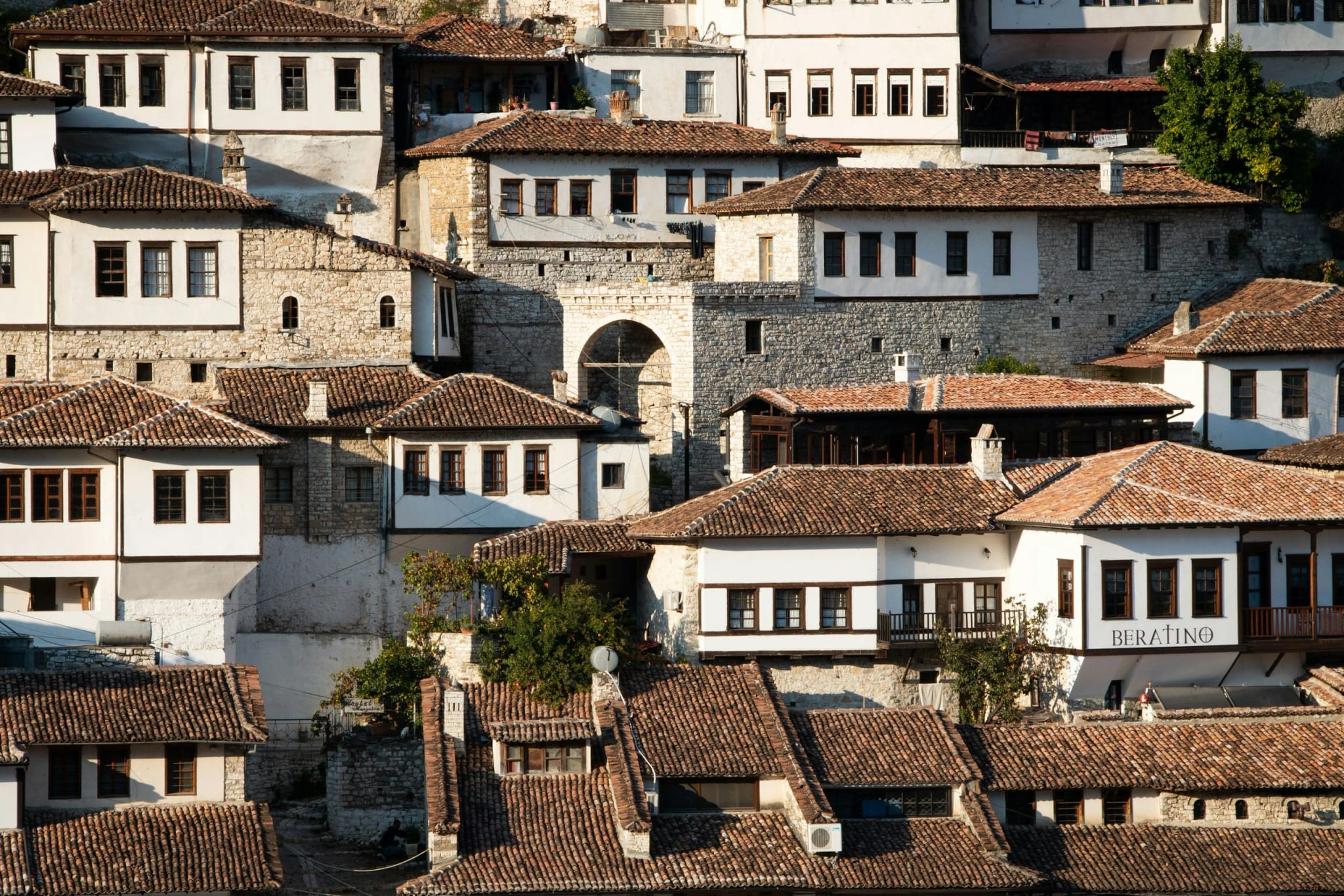
Albania’s Historic Gems
Eight days through 2,500 years of Albanian history: Skanderbeg's Krujë, Roman Durrës, the UNESCO towns of Berat and Gjirokastër, the ancient cities of Butrint and Apollonia, and the Blue Eye spring, at a comfortable pace in any season.
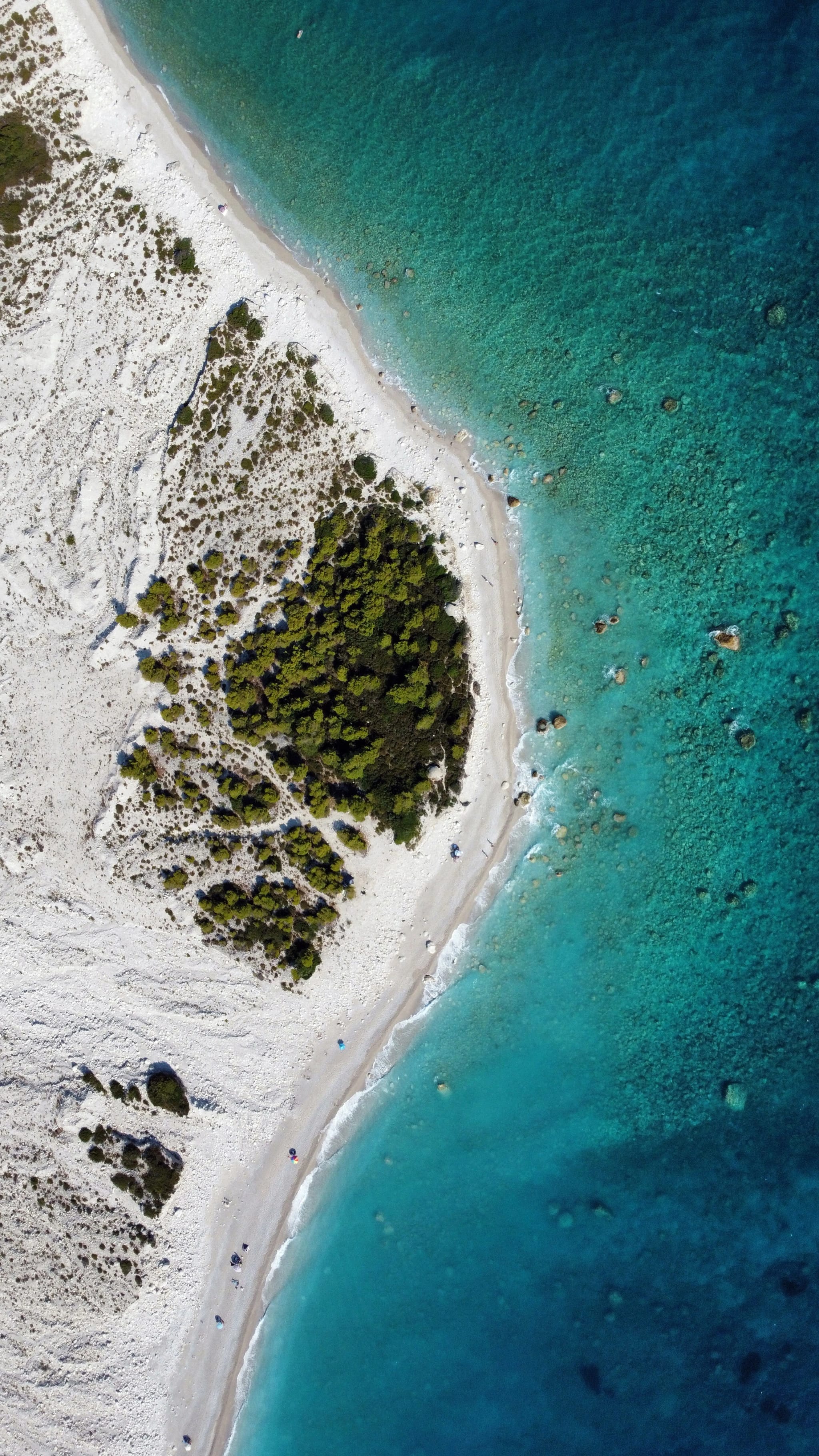
The Southern Riviera
Seven nights at a seafront hotel in Saranda, with boat days to secluded Ionian beaches, the ruins of Butrint, the Blue Eye, Ksamil's islands and a free day by the sea, before a scenic return along the Riviera and over the Llogara Pass.
See all upcoming Albania tours or the tours we run on request.

Written by
Emma Thompson
Travel Writer, Co-Travel
Emma has spent years crisscrossing Albania — from Tirana's cafés to the trails of Theth and the coves of the Albanian Riviera — to help travelers see the country the way locals do. She writes first-hand, practical guides for anyone planning their first (or fifth) trip to Albania.
Keep reading
You might also like
 Travel Safety
Is Albania Safe for Tourists? Everything You Need to Know
A first-hand guide to Albania travel safety — real crime data, common scams, driving risks, solo female travel, and the blood-feud myth, from someone who's covered the country corner to corner.
 Trip Planning
Best Time to Visit Albania: A Month-by-Month Guide
Warm sea, open trails, or the cheapest flights — Albania looks different every month. A season-by-season, month-by-month breakdown from someone who's visited in every one of them.
 Visas & Entry Requirements
Do You Need a Visa for Albania? Full Guide by Nationality
A nationality-by-nationality breakdown of who enters visa-free, who needs to apply in advance, and the one rule almost nobody knows about — from a travel writer who's crossed Albania's borders more times than she can count.
 Culture
Albanian Customs and Culture: What to Know Before You Visit
Besa, bottomless coffee, a raki you probably shouldn't refuse, and why nobody here is actually confused about religion — a first-hand guide to the customs that shape daily life in Albania.